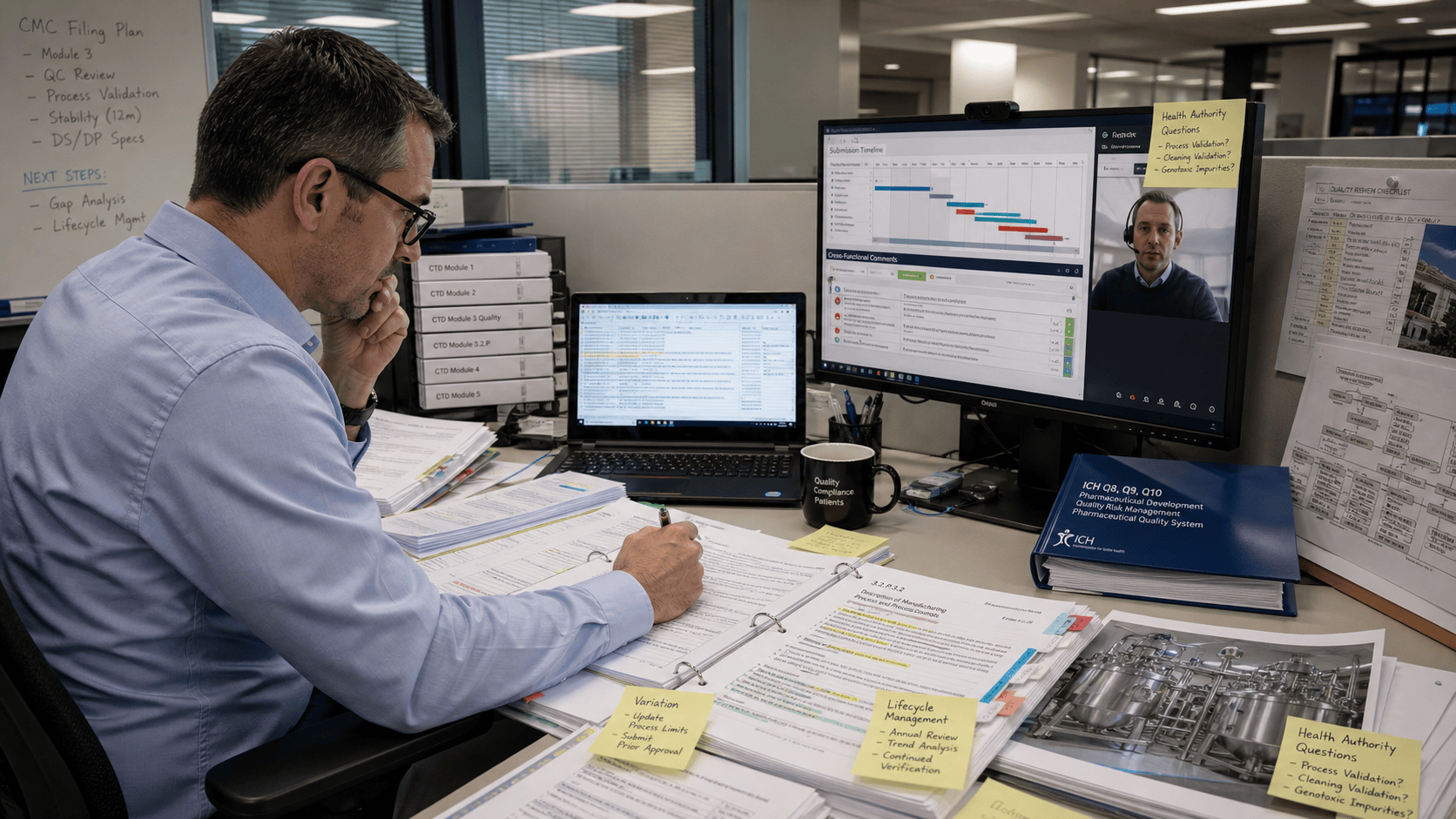
I. The Physical and Mental Effects of Working Weekends
Working weekends can have a serious impact on your physical and mental health. Chronic stress and lack of sleep can lead to a range of health problems, including anxiety, depression, and heart disease. In addition, constantly being “on” can take a toll on your immune system and leave you vulnerable to illness.
II. The Importance of Work-Life Balance
Having a healthy work-life balance is essential for both your personal and professional well-being. It allows you to recharge and come back to work with a fresh perspective, increased motivation, and improved performance. Moreover, it helps prevent burnout and keeps you motivated and engaged in your job.
III. Ways to Disconnect from Work on Weekends
The key to disconnecting from work on weekends is to establish boundaries and stick to them. This can involve turning off your phone, avoiding work-related emails and calls, and finding activities that you enjoy and help you relax. Some ideas include exercise, reading, spending time with friends and family, or pursuing hobbies and interests.
IV. Tips for Maintaining Productivity During the Workweek
One of the biggest concerns for people who take time off on weekends is that they will fall behind on work. However, the truth is that taking time off can actually help increase productivity during the workweek. To maintain productivity, try to prioritize tasks, set clear goals, and create a schedule that allows for breaks and time off.
In conclusion, working weekends may seem like a good way to get ahead, but the truth is that it can have negative effects on your health, productivity, and work-life balance. By taking time off on weekends and disconnecting from work, you can recharge, improve your well-being, and be more productive in the long run. So, why not make a resolution to leave work at work and enjoy your weekends? Your mind, body, and soul will thank you.