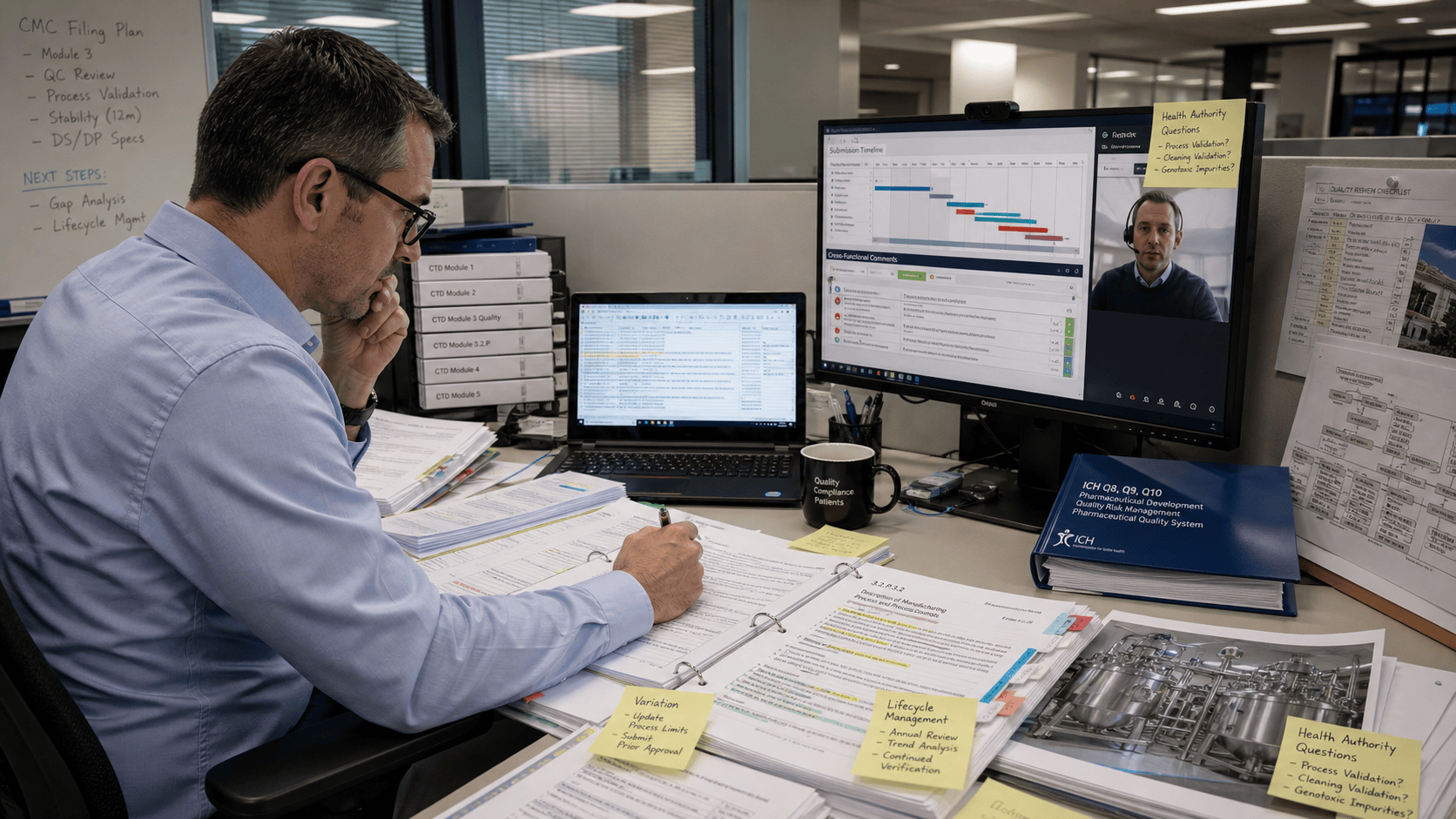
A day in the life of a Quality Engineer…
Quality Engineers play a pivotal role in the medical device industry. Their work is critical because the products they work on can have a direct and dramatic impact on a person’s health. In the UK, the role of a Quality Engineer in the medical device industry is particularly challenging due to the strict regulatory environment and the constant pressure to innovate. Let’s take a closer look at a typical day in the life of a Quality Engineer in the UK’s medical device industry.
Morning: Review and Planning
A QE’s day typically starts with a review of the current projects and tasks at hand. They need to ensure that medical devices are designed, manufactured, and maintained to the highest quality standards. This involves collaborating with design and manufacturing teams to develop and improve medical devices. They are involved from the prototyping phase to the supply chain and production, ensuring that each stage meets the required quality standards.
Midday: Compliance and Documentation
One of the main challenges a QE faces is maintaining compliance with strict regulatory requirements, such as those from the UK’s Medicines and Healthcare products Regulatory Agency (MHRA) and ISO. They must be prepared for audits at any time, which involves having quality documents, training procedures, and performance records readily available.
The QE must manage the entire product record, including the Bill of Materials (BOM), Design History File (DHF), Device History Record (DHR), Device Master Record (DMR), and other quality records like CAPAs and training records, ensuring they are linked and managed effectively.
Afternoon: Problem Solving and Continuous Improvement
During the day, the QE might also address non-conformances, participate in root cause analysis, and implement corrective and preventive actions (CAPA) to prevent defects. They work with tools like Minitab for statistical analysis and must have strong written communication skills for developing and documenting manufacturing protocols.
Evening: Balancing Business Goals with Regulatory Compliance
Another significant challenge is the pressure to deliver products to the market quickly while still ensuring they are safe and effective. This creates immense pressure on QEs to balance the business goals with regulatory compliance. They must also be aware of supply chain disruptions and have plans in place to mitigate these risks.
Throughout the Day: Support and Collaboration
The QE may spend part of their day on the manufacturing floor, supporting the team and ensuring that processes are in line with GMP and ISO standards. They may also be involved in vendor management, ensuring that suppliers meet quality standards and delivery schedules.In summary, a day in the life of a Quality Engineer in the medical device industry in the UK involves a mix of technical work, collaboration, and compliance activities.
They face challenges such as regulatory audits, maintaining product quality, and balancing market pressures with safety requirements. Their role is vital in ensuring that medical devices are safe and effective for end-users. Despite the challenges, it’s a rewarding career that makes a real difference in people’s lives.
Schedule a Call
At Stirling Q&R, we understand the critical role Quality Engineers play in the medical device industry, ensuring the safety and efficacy of life-saving products. We’re currently seeking dedicated professionals to join our team.
With us, you’ll work on diverse projects, making a tangible difference in the field. If you’re passionate about quality and regulatory excellence, consider joining Stirling Q&R. Together, we can uphold the highest standards in medical device quality and regulatory practices. Visit our careers page to learn more.